




If you are interested in ecology and recycling - sign up for our newsletter
The Necessity of Rational Waste Management
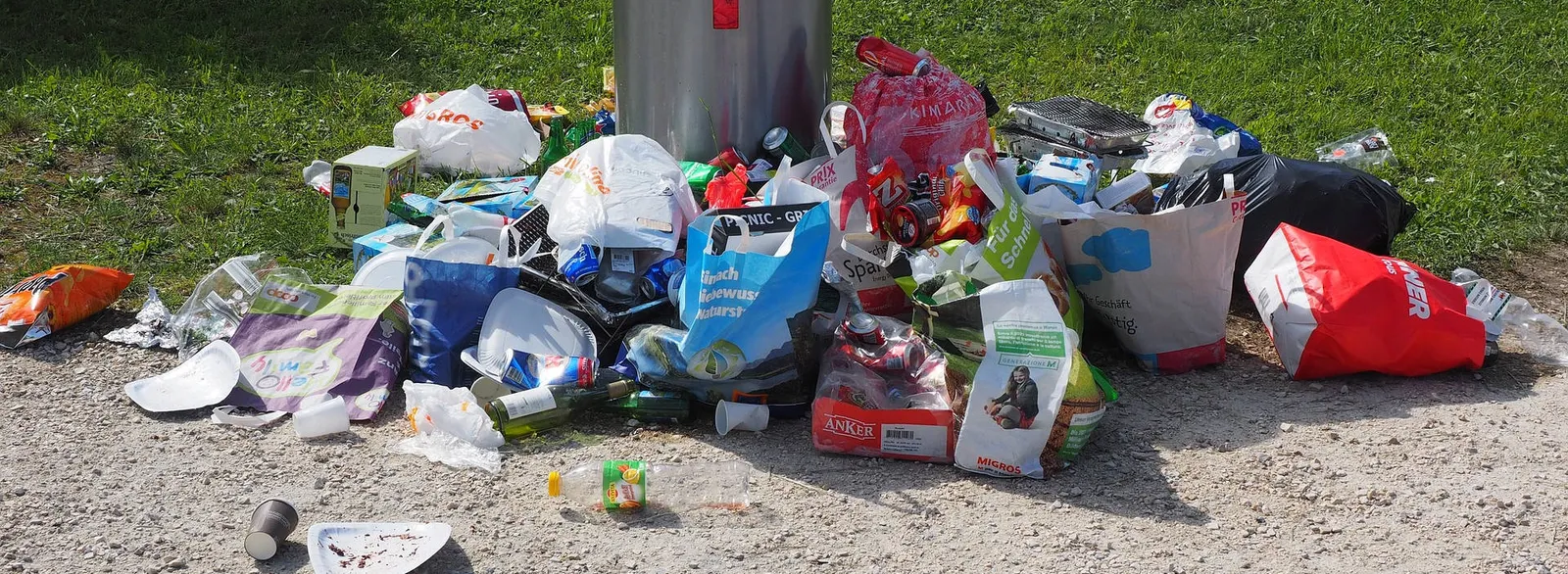
Modern civilization produces enormous amounts of waste, driven largely by an ever‑expanding culture of consumption. The average resident generates around 400 kilograms of waste per year, totaling nearly 10 million tons nationally. Such volumes cannot remain unmanaged without posing serious environmental and social consequences. This is why the development of thermal waste treatment technologies has become an indispensable component of contemporary waste management systems.
Professional waste‑to‑energy plants handle only the portion of waste that cannot be recycled. These residual fractions, collected in black or gray bins, form the dominant component of municipal waste streams. Despite being unsuitable for material recycling, they contain substantial energy potential that can be recovered in the form of heat and electricity. This energy offsets the need for more carbon‑intensive sources and strengthens local energy resilience.
Another crucial aspect is the local character of waste processing. Transporting waste over long distances increases logistical costs and results in additional emissions from heavy-duty vehicles. By situating installations close to the point of waste generation, communities reduce both environmental impact and financial costs while maintaining efficient waste management operations.
Locally operated waste‑to‑energy plants significantly reduce emissions associated with long‑distance waste transport.
Risks Resulting from Improper Waste Handling
Uncontrolled or poorly managed waste poses considerable risks to the environment and public health. Landfills, still commonly used, create multiple hazards. If not properly secured, they may contaminate groundwater with heavy metals and release greenhouse gases such as methane and carbon dioxide. These gases exacerbate global warming and contribute to climate change.
Equally serious is the illegal practice of household waste burning. Besides being unlawful, it is extremely harmful. Domestic stoves operate at temperatures ideal for the formation of dioxins and furans—highly toxic compounds dangerous even in trace amounts. With no filtration technologies in place, all substances released during combustion are emitted directly into the atmosphere.
Smog, unpleasant odors, and high concentrations of pollutants are direct consequences of such practices. Household burning releases heavy metals, sulfur and nitrogen oxides, and other toxic substances. In densely populated areas, this mixture intensifies respiratory illnesses and reduces overall air quality.
Household waste burning produces emissions far more harmful than industrial plants, which are capable of eliminating up to 99% of pollutants.
Benefits of Professional Thermal Waste Treatment
Industrial thermal waste treatment combines safety, efficiency, and environmental protection. Residual waste, though often considered worthless, contains valuable energy. Modern waste‑to‑energy plants can produce up to 0.7 MWh of electricity and 2 MWh of heat from a single ton of waste. This energy can supply local district heating systems and national power grids, improving energy security and reducing reliance on fossil fuels.
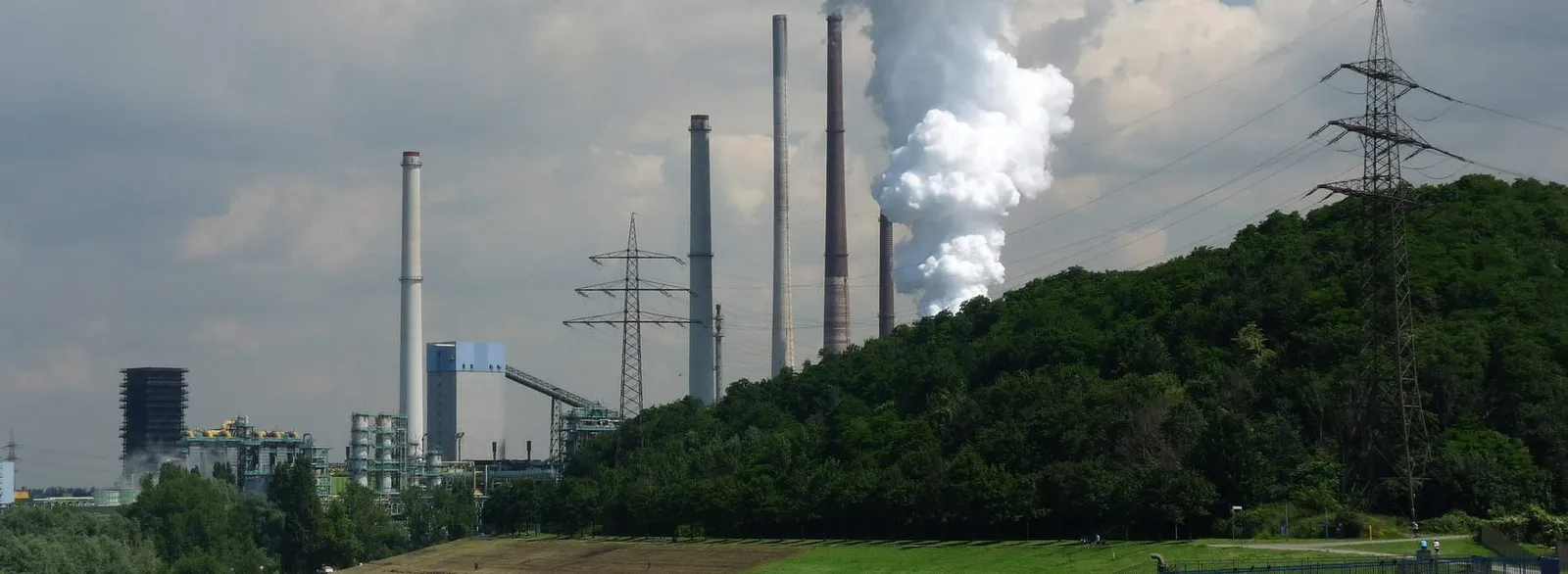
Temperature control plays a central role in ensuring safe combustion. Professional facilities operate at temperatures exceeding the range in which dioxins and furans form. This guarantees the breakdown of toxic compounds before they can enter the atmosphere. Additionally, sophisticated flue‑gas treatment systems remove nearly all acidic, organic, and particulate pollutants.
Material recovery is another important element. Ashes and slags generated during the process can be reused, for example, as synthetic aggregate in construction. Metals recovered from residues re‑enter industrial supply chains, closing resource loops and reducing the need for raw material extraction.
Advanced emission‑control systems eliminate up to 99% of pollutants released during thermal waste processing.
Differences Between Professional Processing and Uncontrolled Burning
A comparison between household burning and industrial thermal processing clearly demonstrates the value of professional installations. Household burning is inefficient, hazardous, and highly polluting. With no temperature control and no filtration technologies, toxic substances escape directly into the air, contributing to smog and harming public health.
Industrial plants, on the other hand, maintain high and stable temperatures that ensure the breakdown of harmful compounds. Continuous monitoring systems keep emissions far below legally permitted limits, often resulting in cleaner exhaust than ambient air in busy urban areas. This demonstrates how controlled processes can actively reduce pollution.
Energy efficiency also sharply differentiates the two. While household burning offers no meaningful energy recovery, industrial facilities transform waste into valuable energy that powers homes and infrastructure. Combined with material recovery, this makes waste‑to‑energy a critical component of a circular economy.
Professionally managed waste‑to‑energy plants maintain emission levels far below legal limits, often cleaner than air in high‑traffic urban zones.
